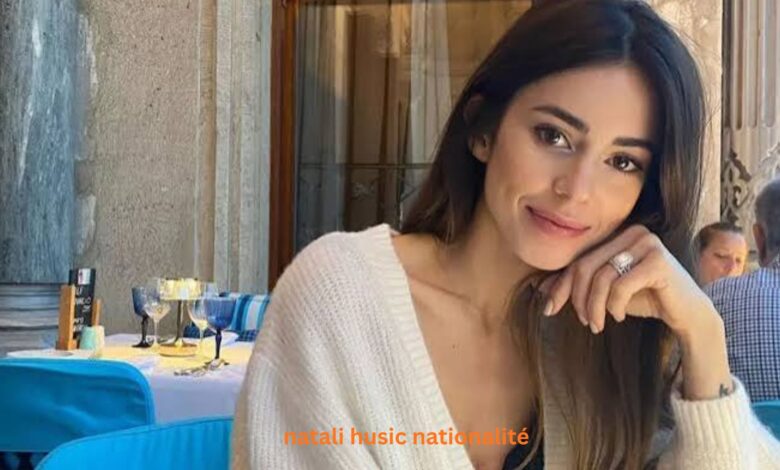
When people search for Natali Husic nationalité, they are usually trying to solve a simple but frustrating problem: “Who is she really, and where does she come from?” In today’s social media-driven world, it’s common to come across creators or public personalities whose content feels familiar, but whose background details remain unclear or inconsistent across platforms.
The confusion around Natali Husic’s nationality is a perfect example of this modern information gap. Some profiles or discussions associate her with French-speaking environments, while others provide little to no verified biographical data at all. This makes it difficult for users to get a clear and trustworthy answer.
In this article, we will break down everything that can be reasonably understood about Natali Husic’s nationality, why conflicting information exists, and how to interpret such cases responsibly. Instead of repeating unverified claims, we’ll focus on practical methods, cultural clues, and digital identity analysis that help make sense of public figures with limited official information.
By the end, you’ll not only understand what is known about Natali Husic, but also how to evaluate nationality claims for other online personalities more accurately.
Why Natali Husic’s Nationality Is Hard to Confirm
One of the main challenges with determining Natali Husic’s nationalité is the lack of consistent, authoritative biographical sources. Unlike traditional celebrities who have verified Wikipedia pages, interviews, or official press coverage, many modern online personalities exist primarily through:
- Social media platforms
- Short-form content (TikTok, Instagram, etc.)
- Secondary mentions or reposts
- Fan discussions and speculation
This creates a situation where identity details—especially nationality—become fragmented or unclear.
Key reasons for confusion include:
- No verified biography: There is no widely accepted official profile outlining her personal background.
- Content language variation: Some of her or related content may appear in French or francophone contexts, leading people to assume a French nationality.
- Name ambiguity: “Husic” is a surname found in multiple regions, including parts of Europe and the Balkans, making assumptions risky.
- Reposts and misinformation: Many blogs and social posts repeat unverified claims without sourcing them.
In short, the uncertainty is not unusual—it reflects how modern digital identities are often built without structured public documentation.
The French Language Connection: Why It Matters
A major reason people associate Natali Husic with France or French nationality is the language factor. In many cases, audiences confuse language use with national origin.
Here’s what often happens:
- A creator posts in French or engages with French-speaking audiences
- Algorithms recommend their content in francophone regions
- Viewers assume the creator is French or from France
But this assumption can be misleading.
Important distinction:
- Language ≠ Nationality
- Speaking French does not automatically mean someone is from France
French is widely spoken in:
- Belgium
- Switzerland
- Canada (Quebec)
- Several African countries
- Multilingual creators worldwide
So when Natali Husic appears in French-language contexts, it may indicate cultural or audience targeting rather than nationality.
Understanding the “Natali Husic Nationalité” Search Intent
People searching this keyword usually fall into one of three categories:
1. Curiosity-driven users
They want basic identity information:
- Where is she from?
- Is she French?
- What is her background?
2. Verification seekers
They have seen conflicting claims and want confirmation:
- Different blogs saying different countries
- Social media rumors
3. Cultural context researchers
They are trying to understand:
- Her linguistic background
- Her audience demographics
- Her cultural influence
Understanding this intent is important because it shows that users are not just looking for a label—they want trustworthy clarity.
How to Evaluate a Public Figure’s Nationality (Practical Method)
When official data is missing, there are still reliable ways to form a reasonable understanding. These methods are widely used in digital research and media analysis.
1. Language patterns
Check:
- Primary content language
- Accent in videos
- Written captions
But remember: this only suggests cultural context, not nationality.
2. Platform metadata clues
Sometimes subtle hints appear:
- Location tags
- Time zone posting behavior
- Collaborations with regional creators
3. Name origin analysis
The surname “Husic” appears in multiple regions, especially:
- Southeastern Europe
- Balkan-influenced communities
However, names alone are not proof of nationality.
4. Collaboration network
Creators often work with others in the same region or language group. This can suggest cultural affiliation.
5. Self-declared identity
The most reliable source is always:
- Interviews
- Verified bios
- Direct statements
If these are missing, conclusions must remain cautious.
Common Mistakes People Make When Guessing Nationality
Many online discussions about Natali Husic nationality fall into predictable errors:
Mistake 1: Assuming based on language
French content often leads to automatic “she is French” assumptions.
Mistake 2: Trusting secondary blogs
Many websites repeat the same unverified claim without evidence.
Mistake 3: Ignoring multicultural identity
Modern creators often:
- Live in one country
- Speak multiple languages
- Identify culturally in complex ways
Mistake 4: Confusing audience with origin
A French-speaking audience does not necessarily reflect the creator’s birthplace.
Why Nationality Is Not Always Public Information
One important insight often missing from top-ranking discussions is this:
Many modern creators intentionally keep nationality private.
Reasons include:
- Privacy protection
- Avoiding identity-based bias
- Maintaining global audience neutrality
- Focusing on content rather than personal background
In the case of Natali Husic, the absence of confirmed nationality may simply reflect a deliberate choice—not missing information.
Cultural Identity vs Legal Nationality
Another overlooked distinction is the difference between:
Legal nationality
- Citizenship (passport-based identity)
- Officially documented
Cultural identity
- Language spoken
- Cultural influences
- Lifestyle and audience connection
A creator can:
- Live in one country
- Speak French fluently
- Identify culturally with another region
This is especially common in digital-first influencers.
Real-World Scenario Example
Imagine a creator who:
- Lives in Switzerland
- Speaks French daily
- Collaborates with French influencers
- Has a multicultural background
Viewers in France might assume they are French, while Swiss audiences might see them differently.
This is exactly the type of ambiguity that often surrounds searches like “Natali Husic nationalité.”
Unique Insight: Digital Identity Blur in 2026
One rarely discussed trend is the “identity blur effect” in modern influencer culture.
This happens when:
- Algorithms distribute content globally
- Language boundaries become less relevant
- Creators intentionally brand themselves internationally
As a result:
- Nationality becomes less visible
- Audience perception replaces factual identity
- Misclassification becomes common
Natali Husic’s case fits into this broader digital pattern rather than being an isolated mystery.
Unique Insight: Username-Based Misinterpretation
Another overlooked factor is how usernames influence assumptions.
When a name like “Husic” appears:
- People often try to map it to a known country or ethnicity
- They search for “familiar patterns” rather than verified data
This cognitive shortcut often leads to incorrect nationality conclusions.
Unique Insight: Algorithmic Geography
Social platforms like TikTok and Instagram often push content based on:
- Engagement clusters
- Language preference
- Viewer location
So a creator can appear “French” in one region and completely different in another. This creates algorithmic nationality illusion, where geography is shaped by recommendation systems rather than reality.
FAQ: Natali Husic Nationalité
1. What is Natali Husic’s nationality?
There is no consistently verified public information confirming her exact nationality. Different online sources make assumptions, but none are officially confirmed. Because of this, it is best to treat her nationality as undisclosed.
2. Is Natali Husic French?
Some people associate her with French-speaking content, but speaking French does not confirm French nationality. She may simply operate in francophone digital spaces or target French-speaking audiences.
3. Why is there confusion about her nationality?
The confusion comes from limited official information, mixed online interpretations, and language-based assumptions. Many online profiles repeat unverified claims without primary sources.
4. Does Natali Husic come from Europe?
Her surname suggests possible European origins, but surname analysis alone is not reliable proof of nationality. Without verified statements, this remains speculative.
5. How can I verify a public figure’s nationality?
The best method is to rely on official interviews, verified bios, or direct statements. Avoid relying solely on blogs, fan pages, or social media speculation.
6. Why do influencers keep nationality private?
Many creators prefer privacy or want to appeal to a global audience without being tied to a specific national identity. This helps them avoid bias and reach broader communities.
Conclusion
The search for Natali Husic nationalité reflects a larger challenge in today’s digital world: not all public figures have clearly defined or officially documented backgrounds. While language clues and online assumptions may suggest connections to French-speaking environments, there is no reliable evidence confirming a specific nationality.
What becomes more important is understanding why this information is unclear and how modern digital identity works. In many cases, creators operate in global spaces where nationality is less visible, less relevant, or intentionally undisclosed.
Instead of relying on speculation, the most accurate approach is to focus on verified information, contextual clues, and responsible interpretation. This not only helps with Natali Husic but also improves how we evaluate any online personality in the future.